

(B2+ with vocabulary)
By GARRY LITTMAN, director and senior trainer at The Language House
You probably know the film, Fatal Attraction, with Michael Douglas and Glenn Close. It doesn’t end well, as the title suggests.
The phenomenon of fatal attraction also exists in nature and like the 1987 thriller, it doesn’t end well either.
Fatal attraction in nature is when a life form is attracted to something that is detrimental to its survival.
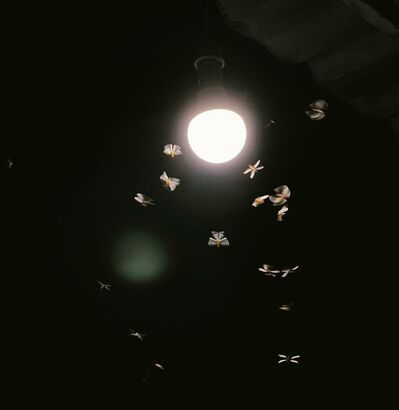
A popular example is a moth (papillon de nuit) attracted to a flame or an electric light. Moths evolved over millions of years to be able to navigate by the light of the moon. The invention of electricity suddenly wrecked their navigational abilities. The future evolutionary winner in the moth world, is the moth which is less attracted by light; this moth doesn’t die of fatal burns and doesn’t use all its energy flying around bright lights.
A better example of fatal attraction is the work of the macabre, if not evil, parasite called toxoplasma gondii. This single-celled parasite lives happily in the gut of cats. However, one day it may find itself defecated onto the street, grass, road, gutter or a litter tray (cat toilet). You might think that’s the end of toxoplasma gondii.
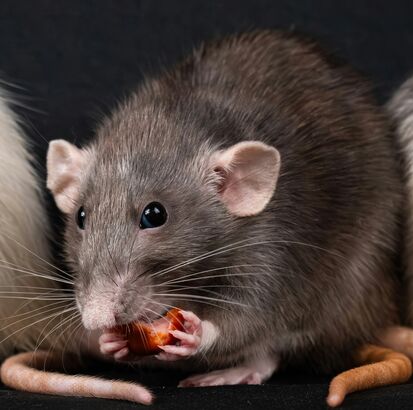
You would be wrong. Along comes a rat, whose diet has few boundaries. The parasite gets into the gut of the rat. But rat gut is no substitute for cat gut, the parasite’s optimum reproductive environment.
Toxoplasma gondii must somehow make the jump from rat, back to a cat.
The parasite does this by infecting the rat’s brain and changing an aspect of the cat’s behaviour. Uninfected rats tend to steer clear of cats and especially cat urine. But not the infected rats. They become less anxious, and even fearless when confronted with cat urine and therefore become easy prey for cats. Before you can say “eat me please” the parasite is back in the belly of its preferred host where it will happily reproduce.
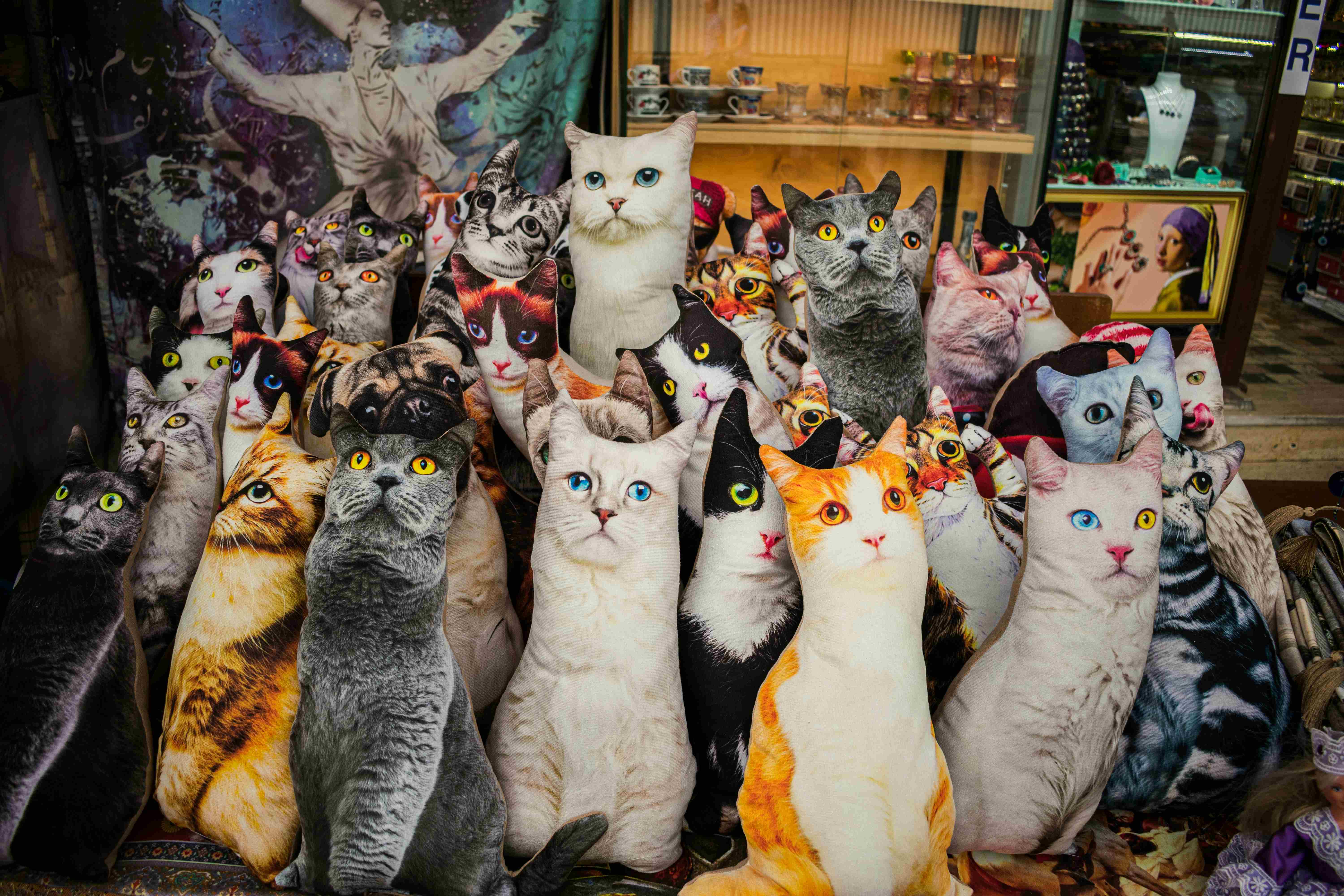
Here's where things get really wild. You may have heard of the “mad cat lady disease” or the more colloquial expression “crazy cat lady” which often refers to an elderly women obsessively hoarding dozens of cats in often quite squalid conditions.
Scientists are now asking if this parasite carried by cats, is passed on to humans and causes crazy cat lady syndrome.
Does the parasite encourage behaviour which is anti-social and generally frowned upon from a human perspective, but at the same time creates the optimum environment for the parasite?
The jury is still out, but let’s just say it’s absolutely fascinating.
Vocabulary:
detrimental: harmful or damaging
the sun has detrimental effect on skin
the policy will be detrimental to the peace process.
this move could be seriously detrimental to the economy.
gut: intestine
the tube in the body through which food passes when it leaves the stomach
it can take up to 72 hours for food to pass through the gut.
I had a terrible pain in my guts after eating too many plums.
defecate: to get rid of solid waste from your body through your bowels or gut
no substitute: the phrase "no substitute for something" suggests that nothing else can take its place and nothing else will be as effective or fulfilling.
There is no substitute for experience.
For athletes, there is no substitute for a healthy diet and good fitness program.
steer clear of (something or someone): to avoid a person or thing because they may cause problems
steer clear of the centre of town at this time of the evening.
easy prey: a person or animal that falls victim to another. Easy prey: someone who is easy (or easier) to deceive or be taken advantage of.
colloquial: informal language
(words and language) used in conversation but not in formal speech or writing
hoarding: the act of collecting and keeping large amounts of food, money, etc., often secretly
also recognised as a mental health disorder
Consumer hoarding of limited goods, such as gasoline and paper, is creating shortages in stores.
squalid: (of places and living conditions) very dirty and unpleasant, filthy
squalid housing
conditions in the camp were squalid
frowned upon: to disapprove of (something)
The company frowns on dating among employees.
Public expressions of affection are frowned upon in many cultures.